
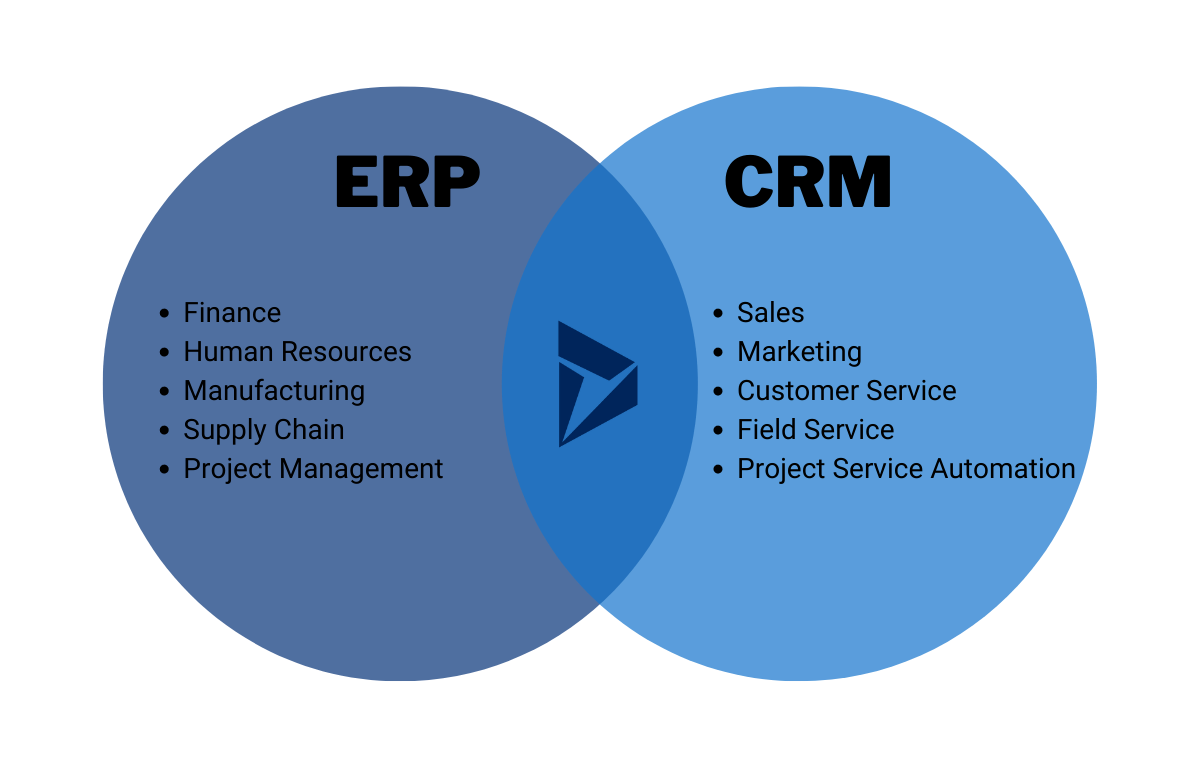
As the digital landscape continues to advance, businesses must adapt their strategies to keep up with the evolving trends. In the current scenario, embracing a digital transformation strategy has become more crucial than ever before. Fortunately, there is a wide array of solutions and services available to assist businesses in staying abreast of this rapid evolution. However, three key elements stand out as essential for maintaining competitiveness in the modern world:
Virtual Desktop Integration (VDI): VDI facilitates the relocation of hardware infrastructure to an off-site datacenter. Rather than managing their own servers, businesses can access critical data and files through the cloud. This approach enhances mobility, enabling users to work remotely and significantly improving productivity in an era where enhanced mobility translates to improved performance.
Enterprise Resource Planning (ERP): Today’s ERP systems extend far beyond traditional accounting software. Modern ERP solutions are compatible with cloud environments and empower businesses to efficiently manage various aspects such as personnel, finances, and supply chains. Given the prevalence of regulatory requirements, frequent disruptions in the supply chain, and resource constraints, effective management of these elements has become more crucial than ever. ERP systems provide automation and streamlined management of vital processes, helping organizations navigate these challenges.
Customer Relationship Management (CRM): CRM tools have evolved to enable businesses to engage with customers on multiple levels, encompassing social media interactions, drip campaigns, and pay-per-click advertisements. In an era where brand engagement and customer experience play pivotal roles in determining business success, implementing a modern CRM solution is paramount. Such a system empowers businesses to cultivate strong customer relationships, a factor critical for sustained growth and profitability.
Having outlined the essential components, let us now examine the specific benefits associated with each of these solutions.
VDI
Virtual Desktop Infrastructure (VDI) is an advanced technology that leverages virtual machines to manage and deliver virtual desktops. Unlike traditional desktop setups tied to specific physical devices, virtual desktops are preconfigured operating system images and applications that can be accessed from any compatible device. VDI enables the hosting of desktop environments on a centralized server, which can be provisioned to end-users as needed. A notable example of Desktop as a Service (DaaS) is Microsoft’s Azure Virtual Desktop, renowned for its Windows 10 VDI multi-session feature, enabling efficient scalability by accommodating a larger user base on a smaller pool of virtual machines. Windows VDI, a cloud-based desktop and application virtualization service, offers a multi-user Windows 10 experience. In essence, VDI empowers organizations to deploy Windows virtual machines that can be accessed from anywhere, at any time, making it an optimal solution for remote workers.
Virtual Desktop Infrastructure (VDI) operates by segmenting servers into virtual machines that host virtual desktops, enabling users to access them remotely from their devices. These virtual desktops can be accessed from any device or location, with all processing handled by the host server. To establish a connection, users utilize a connection broker—a software-based gateway that acts as an intermediary between the user and the server.
VDI provides numerous advantages, including user mobility, accessibility, flexibility, and enhanced security. Previously, the high-performance requirements of VDI made it costly and challenging to implement on legacy systems, thereby acting as a barrier for many businesses. However, the growing adoption of hyperconverged infrastructure (HCI) in the enterprise sector has provided a scalable and cost-effective solution with improved performance.
While VDI’s complexity may not make it suitable for every organization, those that do adopt it can benefit from a range of advantages, such as:
Remote access: VDI enables users to connect to their virtual desktops from any location or device, facilitating easy access to files, applications, and the ability to work remotely from anywhere in the world.
Cost savings: As processing occurs on the server, the hardware requirements for end devices are significantly reduced. Users can access their virtual desktops from older devices, thin clients, or even tablets, diminishing the need for IT departments to invest in new and expensive hardware.
Security: In a VDI environment, data is stored on the server rather than the end client device. This ensures data protection in the event of a stolen or compromised endpoint device.
Centralized management: VDI’s centralized format simplifies IT management tasks, allowing for easy patching, updating, and configuration of all virtual desktops within the system.
By considering these benefits, organizations can make informed decisions regarding the implementation of VDI in their operations.
ERP
Digital transformation encompasses the incorporation of advanced digital technologies throughout all aspects of a business, aiming to enhance the customer experience and optimize core operations. Its primary objective is to discover novel methods of generating value and improving overall business efficiency.
Preparing the Ground for Digital Transformation To establish a cognitive enterprise, it is imperative to modernize the business landscape. Many organizations employ Enterprise Resource Planning (ERP) software as a fundamental tool to propel their digital advancement. Well-configured ERP software empowers organizations to drive strategic transformations and seamlessly integrate state-of-the-art technologies.
ERP systems exist in both generic and industry-specific variants. For manufacturers to effectively leverage innovative technologies, it becomes essential to implement a manufacturing-specific ERP solution. Manufacturing ERP oversees all business and manufacturing operations, encompassing personnel, resources, and inventory, while promoting collaboration through integration.
By consolidating all business data into a single database, ERP software serves as a unified reference point for every department, eliminating data silos. In the context of manufacturing, ERP systems expertly manage, automate, track, and connect every stage of a dynamic manufacturing process, starting from the receipt of a customer order to the final shipment of the completed order.
Enhancing Business Operations with Cloud ERP
- Security: Cloud ERP employs a robust data isolation architecture that ensures enhanced security and facilitates swift data access. Employing a multilayered security approach, it safeguards your most valuable asset—your business data.
- Interoperability: Cloud ERP fosters seamless connectivity across the organization, promoting collaboration between departments while ensuring the utilization of a unified data source. Furthermore, it facilitates integration with existing applications within your organization or any additional ones required as your business scales.
- Configurability: Cloud ERP offers the flexibility to tailor the system according to your business requirements. You can configure processes, collaboration methods, and documents to align with your specific needs. Additionally, it allows the integration of digital technologies such as IoT, AI, and Machine Learning to enhance efficiency and productivity within your manufacturing operations.
- Usability: Cloud ERP boasts an intuitive user interface, simplifying system adoption and minimizing the learning curve. Its ease of implementation reduces the reliance on IT staff, if at all. Furthermore, vendor-managed updates and maintenance alleviate the burden on in-house IT personnel.
- Globalization: As businesses venture into global markets and expand into new geographical regions, an ERP system capable of supporting country localizations and multiple subsidiaries becomes indispensable. Modern cloud ERP enables seamless data sharing across operations, business units, and global enterprises.
- Analytics: Cloud ERP empowers users with robust analytics capabilities, enabling real-time insights into the performance of various aspects of the business. It facilitates predictive analysis to assist in forecasting, while accommodating various key performance indicators (KPIs) for measuring tasks, quality, cycle times, and more.
- Agility: Cloud ERP streamlines workflows and provides expedient access to the data required for swift and informed decision-making. With mobile access, staff members can work efficiently from diverse locations such as the plant floor, customer sites, airports, or even their homes. Additionally, cloud ERP allows for seamless scalability, accommodating the addition of user licenses or modules as your business grows.
CRM
The digital transformation of Customer Relationship Management (CRM) has emerged as a pivotal advancement over the past decade, and its evolution continues to be driven by emerging frontiers such as Artificial Intelligence (AI), Machine Learning (ML), and the Internet of Things (IoT). These transformative digital technologies have significantly impacted the CRM landscape, shaping the direction of CRM platforms and technologies in profound ways. Their influence on CRM is evident and tangible, revolutionizing the way organizations manage and engage with their customers.
CRM digital transformation is being propelled by various digital technologies and concepts that are reshaping the landscape.
- Cloud computing has played a significant role in revolutionizing CRM with the advent of cloud-based Software as a Service (SaaS) solutions. It goes beyond mere remote servers, fundamentally changing how modern systems are developed, deployed, upgraded, and accessed. The user-centric design and accessibility from any device have empowered sales and service teams to be more productive, offering improved customer service.
- Self-service portals have emerged as another transformative digital revolution in CRM. These portals consolidate functionality and enable customers, partners, and agents to access CRM systems for self-service capabilities. They facilitate seamless integration of customer and partner activities into CRM systems while providing one-click access to company personnel. The evolving portal technologies offer advanced features like customer segmentation, customized content, and consolidated communications.
- Social media has become a driving force in CRM digital transformation. Enterprises leverage social media platforms for marketing, advertising, customer engagement, service, and advocacy. Social CRM systems integrate with social media channels, acting as a centralized repository for client communications and interactions. This wealth of data enables sales and service teams to engage customers effectively and on their preferred channels.
- The mobile revolution, sparked by the introduction of touch-based devices like the iPhone, has accelerated CRM digital transformation. Mobile devices enable customers to access sales and service channels, while CRM functionalities seamlessly adapt to mobile platforms. This mobility empowers businesses to engage with customers on the go and offer personalized experiences.
- Analytics have become crucial in the information age, where data overload can impede decision-making. Advanced analytics capabilities transform CRM platforms from passive data repositories into powerful systems that drive insight-driven interactions, enabling businesses to make informed decisions based on meaningful data.
- Artificial intelligence (AI), machine learning, and related technologies have moved beyond science fiction and are now integral to CRM. Companies like SalesForce.com leverage AI and machine learning to enhance sales team productivity and optimize customer engagement. The future trajectory and potential of these technologies within CRM are yet to be fully realized.
- Chatbots have gained popularity as intelligent systems within the CRM landscape. While still in their early stages, chatbots offer the promise of context-driven conversations and intelligent interactions with prospects and customers. Seamless integration with human support allows for a personalized and efficient customer experience.
- The Internet of Things (IoT) presents a tangible opportunity for CRM as the physical and virtual worlds converge. Leveraging IoT devices like beacons, businesses can gather real-time customer data and provide personalized offers based on location. IoT data from various sources, such as cars, wearables, and appliances, holds significant potential for CRM strategies and customer engagement.
AI is increasingly embedded in software engineering workflows, and selecting the right AI coding agent has become a key differentiator...

Speed and quality in software development are not mutually exclusive, but they are often in tension. Many engineering teams face...
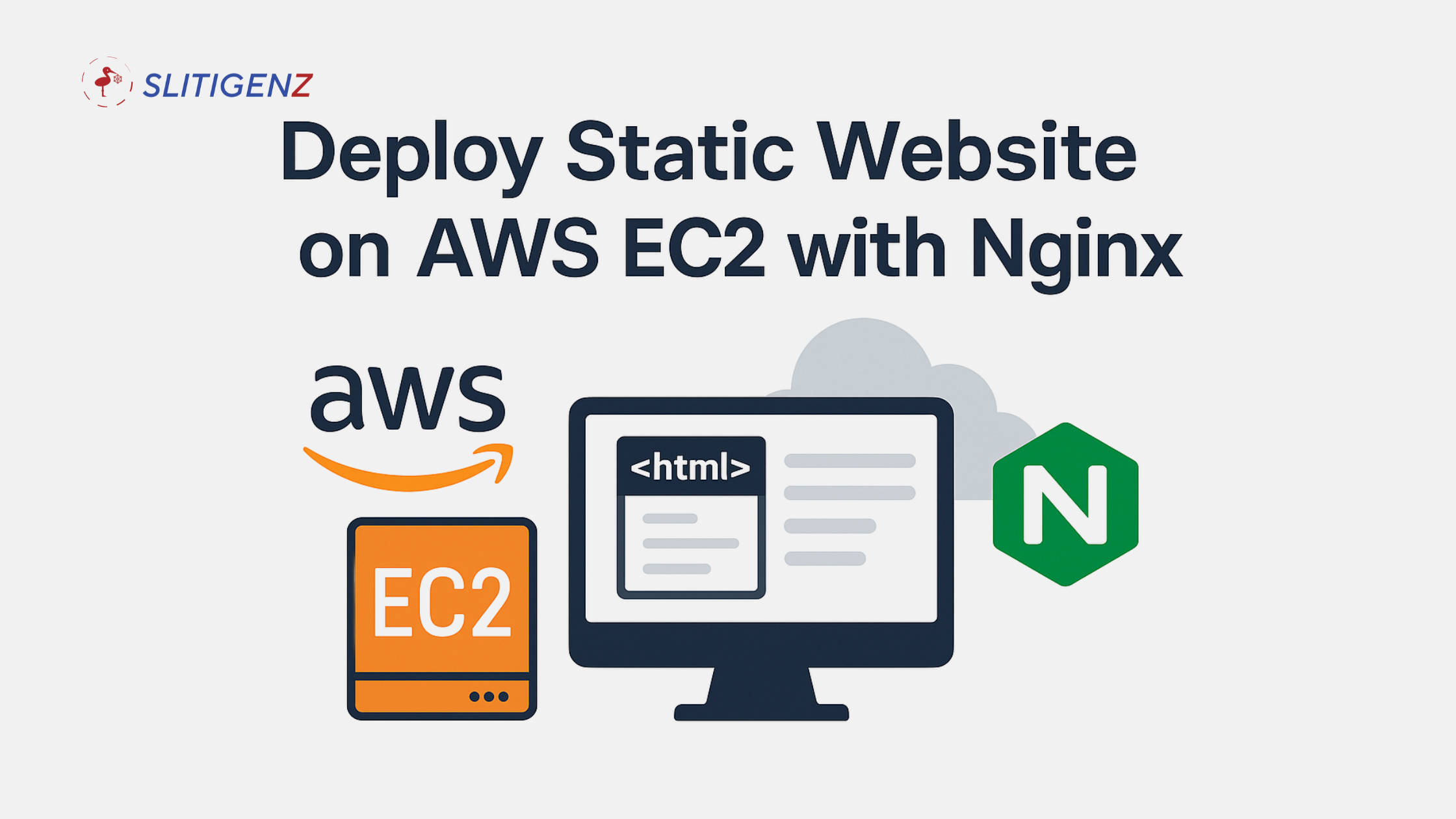
Want to deploy a static website on AWS EC2 using Nginx in under 15 minutes? This guide will show you...
What Makes Grok-3 Stand Out? On February 18, 2025, Elon Musk and xAI officially launched Grok-3, an advanced AI model...
 Vietnamese
  English
20 Comments
Thanks for sharing your thoughts on function of av node.
Regards
Thanks for paying attention to our blog. Our consultation is free so you can leave your questions here and we will try to answer them asap
Nice answers in return of this issue with real arguments and
telling everything regarding that.
Thanks for paying attention to our blog. Our consultation is free so you can leave your questions here and we will try to answer them asap
I got this web site from my buddy who shared with me about
this site and now this time I am browsing this website and
reading very informative articles or reviews here.
Thanks for paying attention to our blog. Our consultation is free so you can leave your questions here and we will try to answer them asap
I think this is among the most significant information for me.
And i am glad reading your article. But should remark on some general things,
The website style is wonderful, the articles is really excellent
: D. Good job, cheers
Thanks for paying attention to our blog. Our consultation is free so you can leave your questions here and we will try to answer them asap
This is my first time go to see at here and i am actually happy
to read all at one place.
Thanks for paying attention to our blog. Our consultation is free so you can leave your questions here and we will try to answer them asap
I’m impressed, I must say. Rarely do I encounter a blog
that’s both equally educative and entertaining, and
let me tell you, you’ve hit the nail on the head. The problem is something which too few men and women are speaking intelligently about.
I’m very happy that I stumbled across this in my search for something regarding this.
Thanks for paying attention to our blog. Our consultation is free so you can leave your questions here and we will try to answer them asap
At this time it looks like Movable Type is the top blogging platform available right now.
(from what I’ve read) Is that what you’re using on your blog?
I do accept as true with all the ideas you’ve offered for your post.
They are really convincing and can certainly work.
Still, the posts are too quick for novices. May just you please prolong them a little from subsequent time?
Thanks for the post.
Thanks for paying attention to our blog. Our consultation is free so you can leave your questions here and we will try to answer them asap.
hello!,I love your writing very a lot! percentage we be in contact extra about your article on AOL?
I need a specialist on this area to solve my problem.
May be that is you! Looking forward to look you.
Thanks for paying attention to our blog. Our consultation is free so you can leave your questions here and we will try to answer them asap.
Hmm is anyone else experiencing problems with the images on this blog loading?
I’m trying to find out if its a problem on my end
or if it’s the blog. Any feedback would be greatly appreciated.
Thanks for paying attention to our blog. Our consultation is free so you can leave your questions here and we will try to answer them asap.
What i do not realize is in fact how you are now not actually a lot more smartly-liked than you may be now. You’re so intelligent. You understand thus significantly in relation to this subject, produced me in my view imagine it from so many various angles. Its like women and men don’t seem to be involved unless it is one thing to do with Girl gaga! Your personal stuffs nice. Always take care of it up!